Warm Weather Pet Care: Flea & Tick Prevention Tips for Niagara Pet Owners
As the snow melts and temperatures rise across Niagara, many pet owners are eager to get back outside with their furry companions. But with warmer weather comes an increase in fleas and ticks, two tiny pests that can cause big health issues for pets and even their families.
At the Humane Society of Greater Niagara (HSGN), we believe that prevention is one of the most important parts of responsible pet ownership. By taking a few proactive steps this spring, you can help keep your pets safe, healthy, and comfortable all season long.
Why Flea & Tick Prevention Matters in Niagara
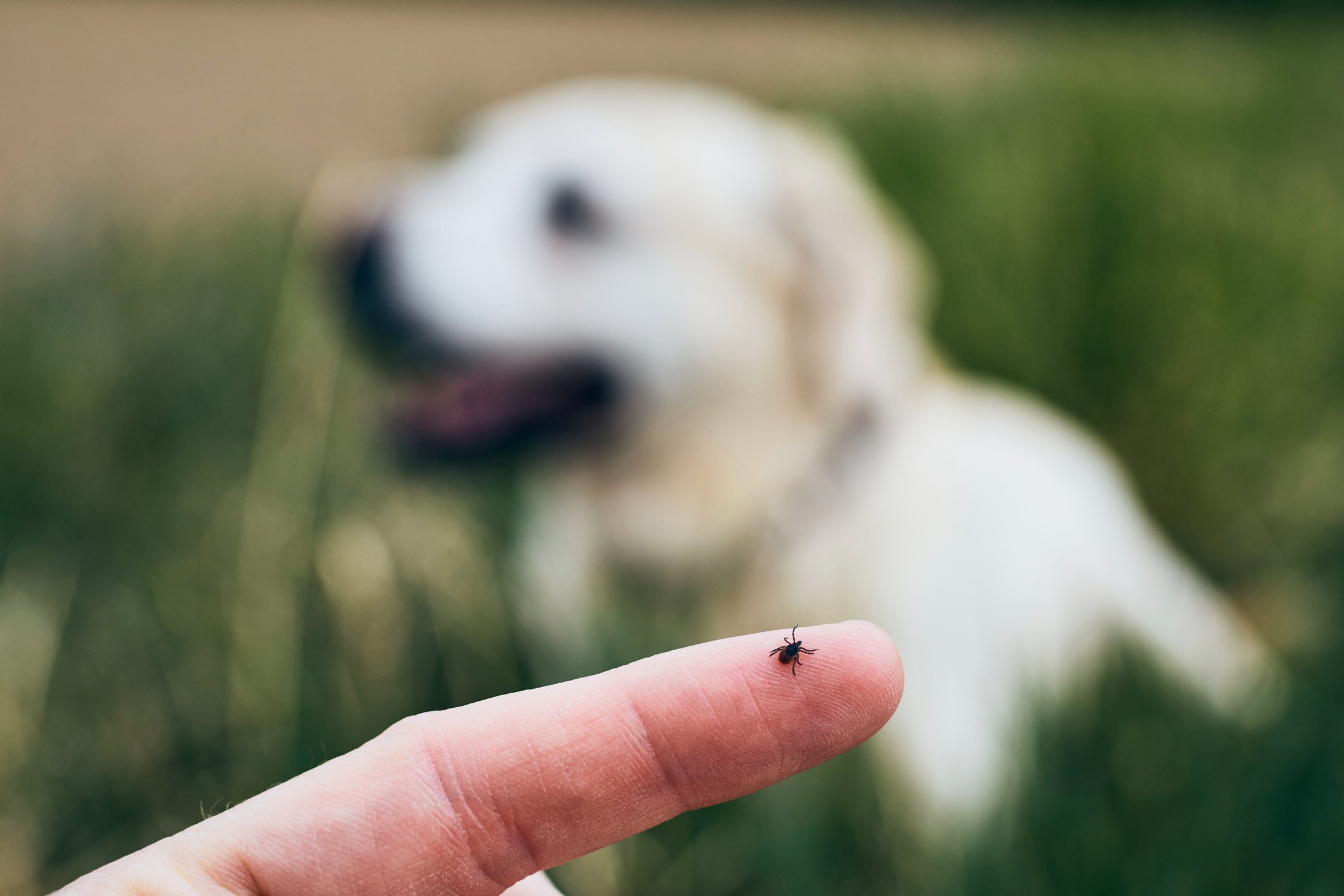
Niagara’s mild, humid climate creates the perfect environment for fleas and ticks to thrive, especially in wooded areas, tall grass, and even your own backyard. These parasites aren’t just annoying; they can transmit serious illnesses such as Lyme disease, anemia, and skin infections.
Ticks in particular have become more prevalent in Ontario in recent years. According to public health guidance, blacklegged / deer ticks (which can carry Lyme disease) are now established in many parts of Southern Ontario, including Niagara.
That’s why consistent prevention isn’t optional, it’s essential.
1. Start Preventative Treatments Early
One of the most effective ways to protect your pet is by using veterinarian-recommended flea and tick prevention. These treatments come in a variety of forms, including topical applications, oral medications, and collars.
Starting early in the season, before pests become active, can significantly reduce your pet’s risk of exposure.
If you’re unsure which option is best for your pet, our team at HSGN’s full-service veterinary clinic can help you choose a safe and effective solution tailored to their needs.
2. Check Your Pet After Outdoor Adventures
After walks, hikes, or time spent in the yard, make it a habit to check your pet for ticks. Pay close attention to areas like:
- Behind the ears
- Under the collar
- Between toes
- Around the tail and belly
Ticks can be very small, especially in their early stages, so careful inspection is key. Removing a tick promptly can greatly reduce the risk of disease transmission.
3. Maintain Your Yard and Living Space
Your home environment plays a big role in flea and tick prevention. Simple steps can make a big difference:
- Keep grass trimmed short
- Remove leaf litter and brush
- Avoid letting pets roam in dense, wooded areas
- Wash pet bedding regularly
Fleas can quickly infest indoor spaces, so consistent cleaning and vacuuming is especially important during the warmer months.
4. Watch for Signs of Infestation
Even with prevention, it’s important to recognize early warning signs. Common symptoms include:
- Excessive scratching or biting
- Red or irritated skin
- Hair loss
- Small black specks (flea dirt) in fur
If you notice any of these signs, it’s best to act quickly. Early treatment can prevent more serious health issues and stop the spread within your home.
For more detailed guidance, you can also read our previous resource on protecting your pets from fleas and ticks this spring.
5. Protect Every Pet in Your Household
If you have multiple pets, it’s important to treat all of them, even if only one is showing symptoms. Fleas and ticks can easily move between animals, making it difficult to fully eliminate the problem without a comprehensive approach.
Compassionate Care, Every Step of the Way
At HSGN, we’re here to support pet owners across Niagara with accessible veterinary care, education, and resources. Preventative care, like flea and tick protection, not only keeps your pet healthy but also helps reduce the number of animals entering shelters due to preventable health issues.
As a community-driven organization, our work is rooted in compassion, education, and support for both animals and the people who love them. You can learn more about our mission and impact here.
A Healthier Season Starts with Prevention
Spring is a time of renewal, fresh air, and outdoor adventures, but it’s also the perfect time to refresh your pet care routine. By staying proactive with flea and tick prevention, you’re giving your pet the best chance at a happy, healthy season.
If you have questions or need support, our veterinary team is always here to help. Together, we can keep Niagara’s pets safe, one preventative step at a time.